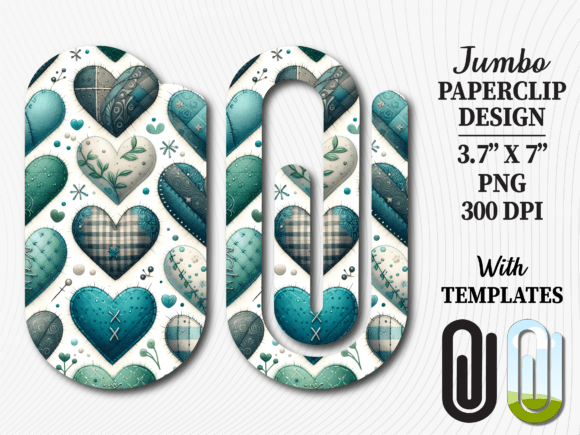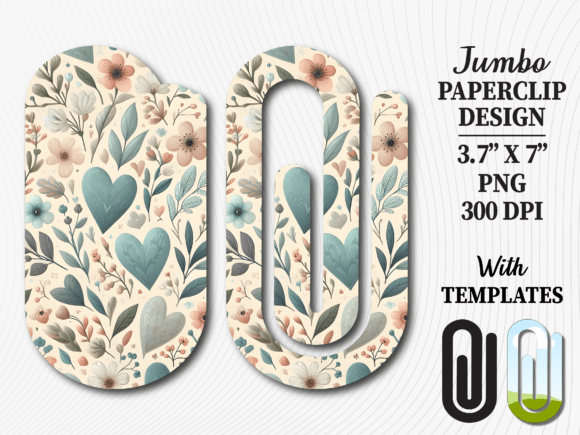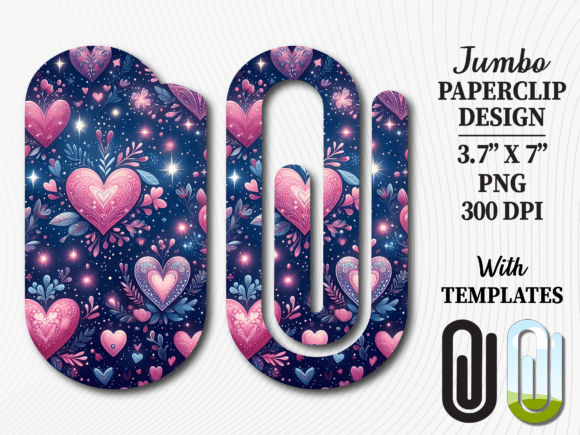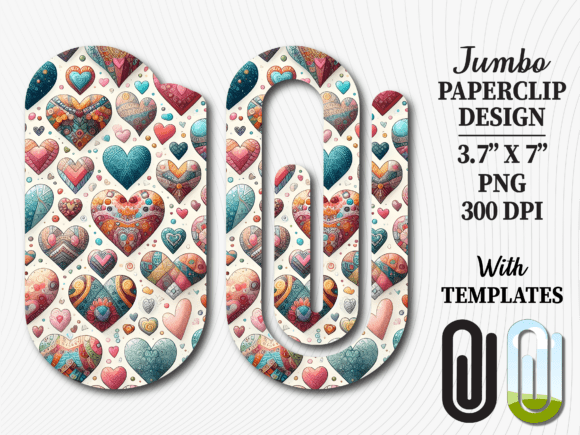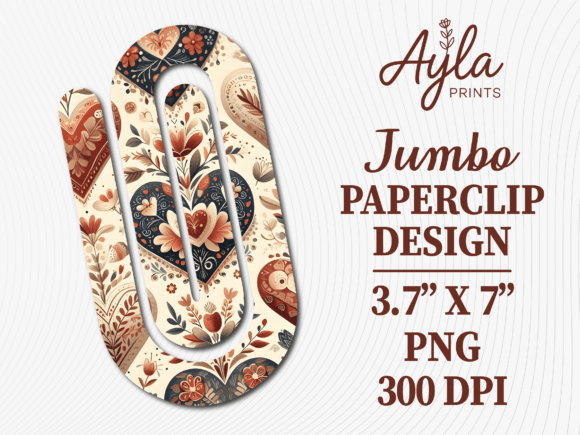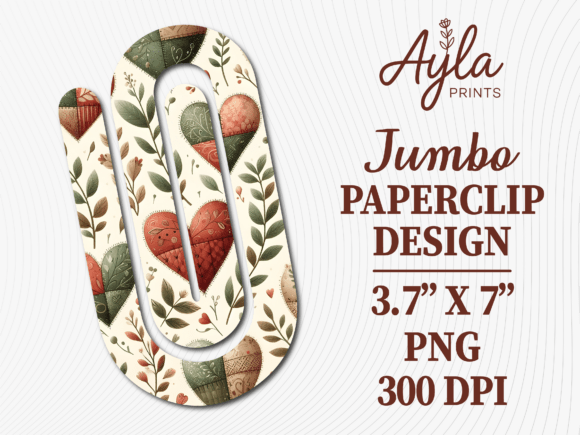
Floral Heart Valentines Day Paperclip
As someone who’s stitched hundreds of designs across apparel, home goods, and boutique gifts—everything from delicate baby onesies to rugged tote bags—I opened the Floral Heart Valentines Day Paperclip file expecting charm, but what I found was something more: a quiet, confident little design that knows exactly where it belongs.
I was prepping a small-batch run of linen tea towels for a local gift shop’s Valentine’s pop-up—soft, minimalist, handmade-feeling pieces meant to be gifted, not just used. The Floral Heart Valentines Day Paperclip landed right in that sweet spot: romantic without being saccharine, detailed without being fussy, and just the right scale for a subtle yet memorable accent. At roughly 3.7×7 inches, it’s sized like a thoughtful signature—not a shout, but a nod.
A Design That Breathes on Fabric
The first thing I noticed wasn’t the heart or the florals—it was the negative space. This isn’t a dense, fill-heavy machine embroidery design. It’s built with intention: open petals, airy stems, and clean outlines that let fabric texture show through. That makes it unusually forgiving on natural fibers like linen, cotton twill, and even lightweight chambray. On a tea towel? It reads as elegant, not busy. On a canvas tote? It adds warmth without weighing down the silhouette.
It also doesn’t try to be everything. There’s no scripty “Be Mine,” no cupids, no glittery extras—just a heart wrapped in soft botanicals and anchored by that clever paperclip motif. That restraint is rare in holiday Graphics, and it’s why this works so well for mature buyers, wedding-adjacent gifting, or small shop branding that values subtlety over saturation.
Where It Shines (and Where to Pause)
I tested the Floral Heart Valentines Day Paperclip across five real project types: a cotton sweatshirt (medium-weight), a baby onesie (60% cotton/40% polyester), a woven patch blank, a curved-knit cap, and a set of embroidered pillow covers. Here’s how it held up:
- Custom apparel & sweatshirt embroidery: Excellent clarity at full size—especially with a light stabilizer and 40–50 wt thread. The satin stitch edges on the heart held crisp definition, and the floral stems read cleanly without excessive stitch density.
- Baby embroidery & onesies: Works best when resized to ~2.5–3 inches wide. Smaller details (like inner petal lines) softened slightly on ultra-thin knit—but that actually added a gentle, hand-drawn charm.
- Embroidered patch & tote bag design: Ideal. The proportions translate beautifully to twill or felt backings, and the paperclip shape gives instant visual cohesion—even before stitching begins.
- Curved surfaces (caps, hats): Requires careful hooping and cutaway + tear-away combo stabilizer. The top curve of the paperclip stays sharp; the lower loop needs gentle tension control to avoid puckering.
- Dark fabric & layered garments: Test thread contrast first. A medium-tone rose or sage green pops beautifully against navy or charcoal—but avoid pale yellow or ivory thread unless backing is white.
What Real Craft Business Owners Should Know
If you’re an Etsy seller, craft fair vendor, or small shop owner building a seasonal collection, the Floral Heart Valentines Day Paperclip is a quietly strategic asset. It bridges categories: it’s equally at home on a kitchen towel (holiday embroidery) and a custom apron (boutique branding). Customers recognize its intent instantly—affection, care, handmade thoughtfulness—without needing explanation.
That recognition builds trust. When someone sees this on a personalized gift, they don’t wonder if it’s generic clip art—they sense intention. That elevates perceived value, supports premium pricing, and strengthens brand consistency across your handmade product line.
But—and this matters—its simplicity is not license for assumption. Before adding it to your digital embroidery file library or listing finished items, verify three things: First, confirm licensing allows commercial use (the listing notes it’s a digital download, but scope of use isn’t specified). Second, check whether the PNGs include transparent backgrounds—critical for clean applique design or printable mockups. Third, always test on scrap fabric matching your final product’s weight, stretch, and weave.
Practical Designer Notes You’ll Actually Use
Here’s what I jotted in my embroidery notebook after testing:
- Always run a test stitch on scrap fabric—especially with textured weaves like burlap-blends or slub cotton, where fine stem lines can blur.
- Review stitch density visually before loading into your machine. This design leans lighter than average—great for breathability, but double-check coverage on dark or napped fabrics.
- Confirm hoop size compatibility. At 3.7×7 inches, it fits standard 5×7 hoops comfortably—but may require repositioning on smaller 4×4 setups.
- Inspect small details in black-and-white mockups. Some floral accents vanish on low-contrast backgrounds; adjust thread color accordingly.
- Use a medium-weight cutaway stabilizer for structured items (tote bags, patches), and a lightweight tear-away for baby items or tea towels.
- Compare light/dark fabric previews side-by-side. This design gains warmth on cream or oat, but gains sophistication on deep burgundy or forest green.
Final Thought: A Design That Earns Its Place
The Floral Heart Valentines Day Paperclip won’t dominate your catalog—but it might become your most-requested detail. It’s the kind of design people photograph and tag, not because it’s flashy, but because it feels *chosen*. For craft business owners building relationships through thoughtful making, that quiet resonance is worth more than any trend.
It fits seamlessly into holiday embroidery collections, pairs naturally with neutral-toned handmade products, and translates with grace across mediums—from embroidered patch to printable mockup. Just remember: its strength lies in its clarity, not its complexity. Respect its scale, honor its balance, and let it do what it does best—add heart, not noise.