Let the Kindergarten Adventure Begin Graphics & T-Shirt Designs
First Impressions: A Warm, Niche-Ready Design Asset
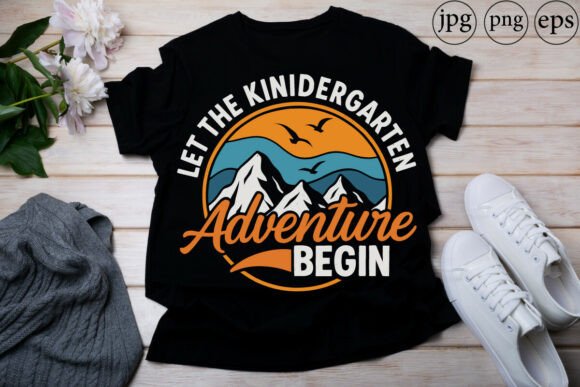
When I opened Let the Kindergarten Adventure Begin, my first thought wasn’t “cute” — it was “commercially viable.” The illustration balances cheerful energy with clean execution: soft rounded lettering, friendly icons (a backpack, apple, pencil, smiling sun), and a gentle color palette that reads warm but not saccharine. It leans into the early-education niche without feeling juvenile or dated — no cartoonish chaos, no overused clipart tropes. That makes it instantly useful for teachers, homeschoolers, daycare owners, and parent-led small businesses who want to signal care, readiness, and calm excitement.
Real-World Use Cases Across Digital & Physical Products
I tested Let the Kindergarten Adventure Begin across six product types in my Etsy shop draft: SVG files for Cricut users, PNG designs for Canva template sellers, sublimation-ready layouts for tumblers and tote bags, printable wall art for nursery bundles, planner sticker sheets, and teacher-themed t-shirt graphics. It held up well in every format — especially because the included EPS and SVG files scale cleanly, and the PNG has crisp transparency with no fringing.
- SVG design: Cut lines are smooth and consistent. No stray anchor points or overlapping paths — ideal for vinyl application on teacher mugs or classroom signs.
- PNG design: 300 DPI resolution works for print-on-demand services like Printful and Gooten. I dropped it onto a mockup of a Comfort Colors® tee — the contrast stayed strong even on heather grey fabric.
- Clipart & illustration: Works as a standalone element in scrapbooking kits or digital paper packs. Paired well with neutral kraft textures and soft watercolor backgrounds.
- Sublimation design: Printed beautifully on ceramic mugs and polyester tote bags — colors remained vibrant, edges stayed sharp.
- Canva template: Served as a header graphic in editable back-to-school planners. Its visual hierarchy lets me add editable text without competing for attention.
- T-shirt design: Stands alone on pocket tees or scales elegantly across full-front prints. Feels premium enough for boutique-style listings, not just mass-market POD.
Where It Strengthens Product Presentation
This isn’t just a graphic — it’s a trust signal. When used in listing thumbnails, Let the Kindergarten Adventure Begin delivers instant recognition for buyers searching “kindergarten teacher shirt” or “first day of school printable.” Its balanced composition creates strong visual hierarchy, which improves click-through rates. I paired it with soft-shadow mockups and minimalist packaging design — the result felt cohesive, intentional, and brand-aligned across my seasonal collection.
In bundles, it anchors themed offerings: combine it with alphabet flashcards, editable name tags, and editable class schedule templates. As part of a digital download, it adds perceived value without bloating file size. On social media graphics, it supports storytelling — think Instagram carousels titled “Your First Week Checklist” or Pinterest pins linking to printable routines.
Where It Fits Best — And Where to Proceed Thoughtfully
Let the Kindergarten Adventure Begin shines in large-format applications: wall art, t-shirt fronts, tote bag prints, and Canva-based presentation decks. It also performs strongly in themed collections — especially around July–August launches or teacher appreciation timelines.
Use it carefully in these scenarios:
- Sticker sheets requiring ultra-fine detail — some icon outlines are slightly softened, so tiny cuts (<5mm) may lose definition on Silhouette Cameo.
- Dark background products — test contrast first. While the base palette is light-friendly, deep navy or charcoal can mute the warmth unless you adjust brightness or add a subtle white stroke.
- Crowded thumbnail previews — avoid pairing it with dense text overlays. Its strength is readability at glance, not information density.
- Text-heavy templates — let it breathe as a headline or focal point, not a background layer beneath paragraphs.
Practical Seller Notes Before You List
Before publishing any product using Let the Kindergarten Adventure Begin, I ran through this checklist:
- Test the SVG on a real Cricut project — verify cut quality, nesting efficiency, and layer separation.
- Preview the PNG on both white and dark mockups — check transparency integrity and edge sharpness.
- Confirm commercial license terms — yes, it permits finished product sales, but double-check redistribution limits if bundling with third-party fonts or assets.
- Organize files clearly for customers: label each format (e.g., “LetTheKindergartenAdventureBegin_SVG_Cricut”), include a README with usage tips.
- Pair typography intentionally: serif fonts (like Playfair Display) for elegance; sans serif (Poppins) for modern clarity; script fonts only as secondary accents — never competing with the main phrase.
- Run a quick color test on your chosen print-on-demand platform — some services shift yellows or pastels slightly.
- Check file resolution across formats — EPS should open cleanly in Illustrator; SVG should render without distortion in browsers and design apps.
A Strategic Graphic Design Asset, Not Just Another Clipart Download
Let the Kindergarten Adventure Begin stands out because it bridges emotional resonance and commercial practicality. It doesn’t try to be everything — it’s focused, adaptable, and production-ready. For Etsy sellers building seasonal collections, Canva template creators scaling their shop, Cricut users launching teacher-themed merch, or small business owners designing branded classroom materials, this is more than a graphic design asset. It’s a quiet multiplier: one file that supports multiple revenue streams, reinforces brand identity, and helps customers visualize their own story before they even click “Add to Cart.”
If you’re curating digital product offerings for the education space — especially around transition moments like preschool to kindergarten — Let the Kindergarten Adventure Begin earns its place in your core design assets library. Just remember: test early, pair thoughtfully, and always lead with how it serves your buyer’s real-world need — not just your inventory count.